
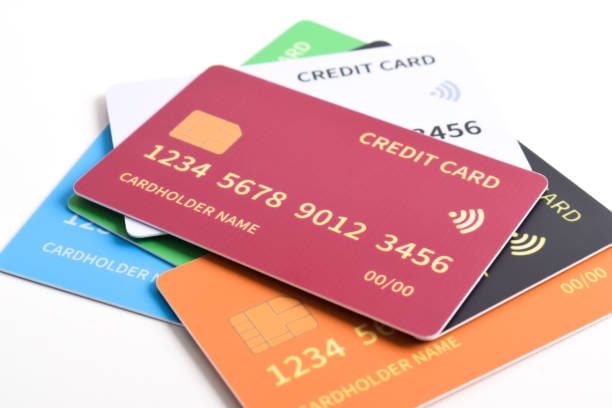

wAre you searching for the best credit card in india for beginners to start your financial journey? If so, it is completely normal to feel confused about which card is right for you among the hundreds available in India. With digital payments, e-commerce, and online shopping growing rapidly today, finding the best credit card in india for beginners has become an essential financial tool for everyone.
In this comprehensive guide, we will explore everything you need to know as a newcomer, including finding the best credit card in india for beginners for 2026, their key benefits, hidden charges to watch out for, and how to use them safely to build a strong CIBIL score.
Table of Contents
Toggle1. What is a Credit Card and Why is it Important for Beginners?
A credit card is a physical or digital payment tool issued by a banking institution that allows you to borrow funds to make purchases. Even if you do not have immediate cash in your savings bank account, you can use this card to pay for goods, services, or bills. The bank gives you a specific credit limit and a grace period (usually 45 to 50 days) to repay the amount without incurring any interest.
For beginners, learning how to manage a credit card is just as important as learning about mutual funds, stock markets, or high-yield savings accounts. Just like choosing the best demat account for mutual funds to start your investment journey, selecting the best credit card in india for beginners helps you:
- Build a strong CIBIL Score and credit history.
- Get emergency financial backup during unexpected medical or travel expenses.
- Save money through massive cashback, reward points, and discount offers.
2. Best Credit Card in India for Beginners: Top Choices for 2026
If you are a newcomer starting your financial journey, finding the best credit card in india for beginners is crucial. Here are the top-rated credit cards in India known for easy approval and great starter benefits:
1. Amazon Pay ICICI Credit Card
- Best For: Online shopping, bill payments, and universal cashback.
- Annual Fee: Lifetime Free (Zero fees).
- Why it’s great for beginners: There are no complicated reward point systems. You get direct cashback (up to 5% for Prime members) credited straight to your Amazon balance, making it one of the most transparent and rewarding cards in India. (You can check more details on the ICICI Bank Official Website).
2. SBI SimplyCLICK Credit Card
- Best For: E-commerce enthusiasts and frequent online shoppers.
- Annual Fee: Low annual fee (often waived on spending above a specific limit).
- Why it’s great for beginners: SBI is one of India’s most trusted banks. This card gives accelerated reward points on popular partner brands like Amazon, ClearTrip, BookMyShow, and Netmeds. (Learn more on the SBI Card Official Portal).
3. HDFC Millennia Credit Card
- Best For: Cashback on top merchants and lifestyle shopping.
- Annual Fee: Affordable with renewal fee waivers on annual spends.
- Why it’s great for beginners: It offers solid cashback across major platforms like Flipkart, Myntra, Swiggy, Zomato, and Uber, along with complimentary airport lounge access benefits.
3. Key Factors Beginners Must Consider Before Applying
Before choosing a credit card randomly, every person looking for the best credit card in india for beginners must evaluate several financial factors to ensure it matches their lifestyle and spending habits:
A. Annual and Joining Fees
Many cards come with a joining fee or an annual fee. As a beginner, it is wise to look for “Lifetime Free” (LTF) credit cards where you do not have to pay any maintenance charges year after year. Alternatively, look for cards where the annual fee is waived if you cross a specific annual spending threshold.
B. Reward System and Cashback
Understand how the bank rewards your spending. Some cards offer direct cashback credited to your statement, while others offer reward points that can be redeemed for vouchers, flight bookings, or products.
C. Interest Rates (APR) and Hidden Charges
Credit cards charge a high Annual Percentage Rate (APR) if you fail to pay your full bill on time—often ranging from 35% to 45% per annum. Always clear your dues in full before the payment due date. You can also review general financial literacy guidelines provided by the Reserve Bank of India (RBI) regarding digital payments and credit safety.
4. Major Benefits of Using a Credit Card Wisely
When handled with discipline, credit cards offer advantages that debit cards simply cannot match:
- Cashback and Instant Discounts: Almost every major online sale (like Amazon Great Indian Festival or Flipkart Big Billion Days) offers 10% instant discounts exclusively for specific credit card holders.
- Financial Buffer / Emergency Safety Net: Even if you maintain a healthy emergency fund, having a credit card gives you instant purchasing power during unforeseen crises.
- Expense Tracking: Credit card statements provide a clear monthly breakdown of where your money goes, helping you analyze and budget your personal finances efficiently.
5. Common Mistakes Beginners Must Avoid
First-time credit card holders often make critical mistakes that can severely damage their financial health and credit score:
- Paying Only the “Minimum Due”: This is a debt trap. If you pay only the minimum amount due, the bank charges heavy interest on the remaining balance. Always pay the Total Amount Due in full.
- Maxing Out Your Credit Limit: Try to keep your Credit Utilization Ratio (CUR) below 30% of your total limit. Utilizing 100% of your limit signals financial distress to credit bureaus.
- Missing Payment Deadlines: Even a single delayed payment can lower your CIBIL score drastically, affecting your eligibility for future home or car loans. Set up auto-debit to never miss a due date.
- Withdrawing Cash from ATMs: Using a credit card to withdraw cash incurs heavy transaction fees and high interest starting from day one. Avoid cash advances completely.
6. How to Build a Strong CIBIL Score Using Your First Card
Your CIBIL score is a 3-digit number ranging from 300 to 900 that represents your creditworthiness. Lenders check this before approving any loan. To build a score of 750+ using your first credit card:
- Pay 100% of your bill before or on the due date every single month.
- Keep your credit utilization low.
- Maintain old credit accounts active to show a longer credit history.
7. Conclusion
Choosing the right best credit card in india for beginners at the beginning of your financial journey is a crucial step toward achieving financial freedom. By picking a lifetime-free card like the Amazon Pay ICICI card or an entry-level card like SBI SimplyCLICK, and paying your bills on time, you can enjoy amazing rewards while keeping your finances secure.
For more insightful guides on stock markets, mutual funds, personal finance tips, and wealth management, keep reading other articles on our GrowMoneyPro website!